Guide
Passing in Kipsta Football: Build Play From the Back
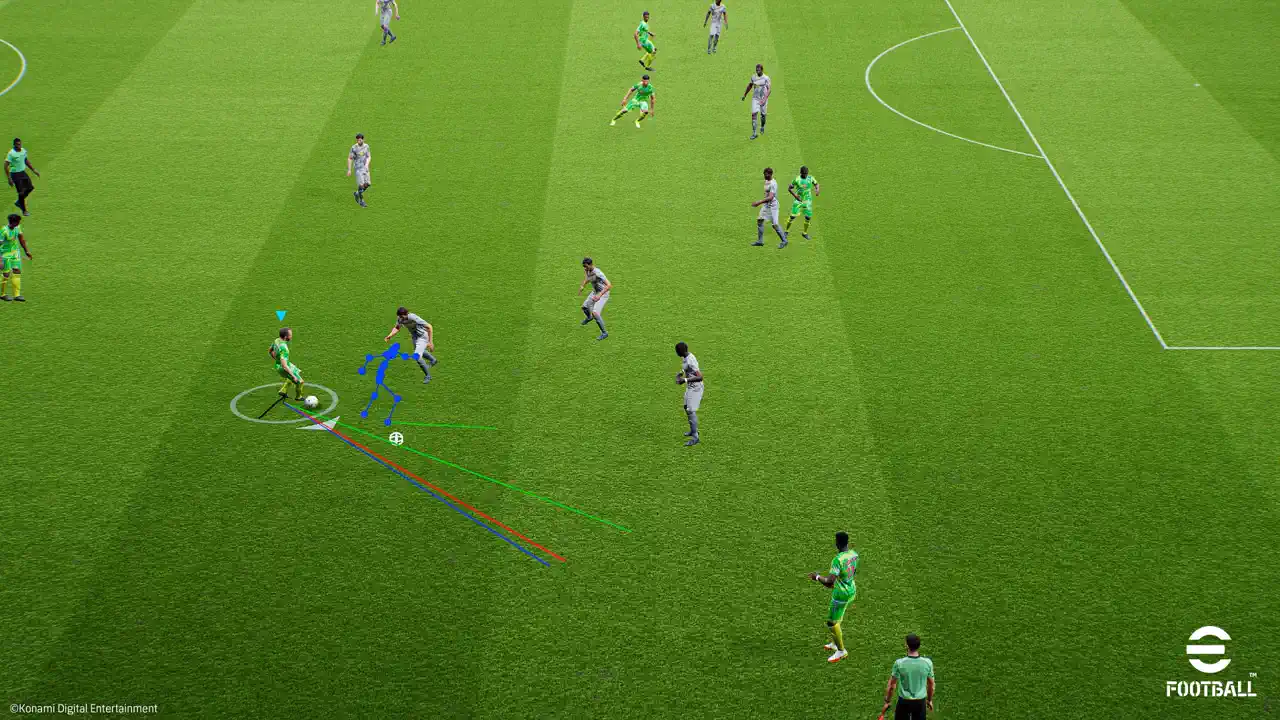
Passing in Kipsta Football is rhythm first: short passes to draw the press, through balls for runners, and switching play when the lane closes.

On this page
The best teams in Kipsta Football pass their way out of trouble instead of kicking their way into it. The Kipsta Football APK rewards patience: short passes draw the press, a through ball breaks it, and switching play finds the space the press left behind. Here is how to build play from the back.
Short passing rhythm
Short passing is the heartbeat of the build up. Two touch passes, triangles in midfield, and the ball moving faster than the defenders can chase it. The rhythm matters more than the range.
Pass and move. A player who passes and stands still gives the receiver no option, while a player who passes and moves opens the next lane. The move after the pass is the pass.
Through balls
The through ball is the most dangerous pass in the game and the most wasted. Play it when the runner has already started moving, into the space behind the defence, not at the runner's feet.
Watch the defensive line before you play it. A high line invites the through ball, a deep line swallows it. The pass is only as good as the read that precedes it.
Switching play
When one side is crowded, switch the play. A long diagonal to the far winger moves the whole defence across the pitch and leaves the weak side open for the next attack.
Switch early, before the press arrives. A switch played under pressure is a hopeful ball, while a switch played calmly is a tactic.
Passing under pressure
Under pressure, the safe pass is the right pass. Play back to the keeper or sideways to the free centre back, and let the press chase the ball while your team breathes. The Kipsta Football Controls: Dribbling, Shooting and Defending on Touch walkthrough covers that side of the game in full.
Never pass across your own box under pressure. A misplaced pass there is a goal, while a clearance is only a throw in. Safety first in your own third.
Build from the back
Building from the back starts with the keeper and the centre backs. Short passes draw the press forward, and the space the press leaves behind is where the attack begins.
If the press is too strong, go long to the striker and win the second ball. A long ball with a plan beats a short pass into a trap, and the second ball is the real attack.
Passing lanes
Pass into lanes, not to players. A pass to a marked player's feet is a tackle waiting to happen, while a pass into the lane ahead of them lets them run onto it at speed.
Open lanes with movement. A winger who stays wide stretches the defence and opens the lane inside, while a striker who drops deep opens the lane behind them.
When to go long
Go long when the press has locked your short options and the striker is isolated against one defender. A long ball to a strong striker, with runners arriving for the second ball, is a tactic, not a panic.
Go long late in a match when you lead. The clock is your friend, and a long ball into the corner wastes time the opponent needs to equalise.
Conclusion
Pass short to draw the press, play through balls only to runners already moving, and switch play when one side is crowded. Pass into lanes, never across your own box under pressure, and go long with a plan. The build up is the attack.
Quick Answers
How do I pass better in Kipsta Football?
Pass and move, play short triangles in midfield, and pass into lanes ahead of runners rather than to marked feet. Look before you pass: a half second checking the lane beats a quick pass into a defender.
When should I play a through ball?
Play it when the runner has already started moving and the defence holds a high line. A through ball to a standing player, or against a deep line, is a wasted pass.
How do I build play from the back?
Start with short passes from the keeper and centre backs to draw the press forward, then use the space it leaves behind. If the press is too strong, go long to the striker and win the second ball.
Should I pass across my own box?
Never under pressure. A misplaced pass across your own box is a goal, while a clearance is only a throw in. Play back to the keeper or sideways to the free centre back instead.